
Choosing the Right Respirator for the Right Job
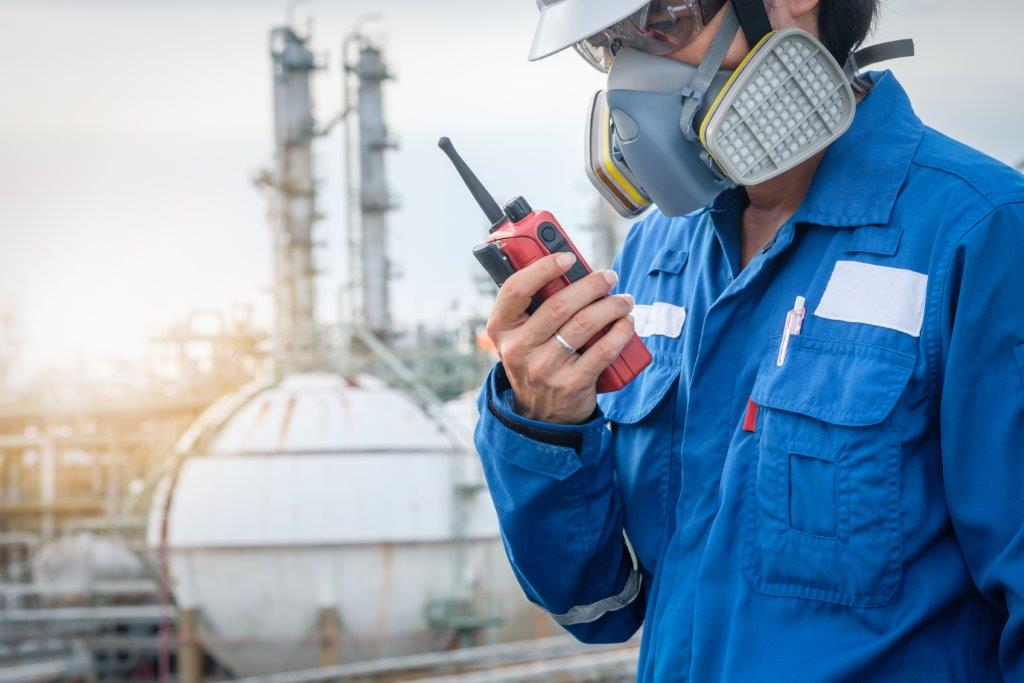
When a worker has the exposure to an inhalation hazard potentially causing illness, then the law requires they have respiratory protection. There are a variety of occupations and tasks having respiratory hazards. Many of these hazards comes in the form of:
- Dust
- Fumes
- Gases
- Toxic Odors
- Offensive Odors
- Biological Mists
- Other chemicals
- The proper equipment selection
- Demonstration of equipment use, care, and handling
- Communication of the selection decisions
- Selecting the equipment fits well on the employee
- How to inspect equipment for defects and damages
- Instruction on how to replace or repair damaged PPE
- Training for the employees on the use and limitation of the PPE
- Retraining if necessary
- The employer paying for most PPE
- Assess the hazard thoroughly: If the hazard is not assessed thoroughly, the worker can have a false sense of security if they unknowingly select the wrong respirator. The hazard assessment is used to pinpoint the known or suspected foreign agent in the atmosphere. In this step, it is also important to get an understanding of the highest concentration levels and duration of the task to be performed.
- Check with all available resources to see if there is a respirator recommended for the use of the chemical or location of hazard. OSHA will have Permissible Exposure Limits (PELs) posted in the hazard communication section of the standard. The PEL is the legal limit as to constituent exposure limit in a measurable value. Other associations or entities such as the National Institute for Occupational Safety and Health (NIOSH) and the American Conference of Governmental Industrial Hygienists (ACGIH) also have exposure limits in the form of Time Weighted Average (TWA), Short Term Exposure Limits (STEL), Ceiling Limits (C).
- Use the Assigned Protection Factor (APF) listed for the respirator chosen to determine the protection level of the employee. An APF is a hazard rating factor relating to capability of a respirator or a class of respirators to effectively protect against a substance. OSHA has an APF guidance manual to help understand how to use this rating. Therefore, a respirator with the APF of 20 has up to 20 times the protection level than the PEL for that hazard.
- Choose the respirator type with the most protection for the substance. In this case, you may also have to be aware of the potential of an unknown hazard to be present. The choice of a respirator must include full face or only part of the face must also be protected.
- When in doubt use the Safety Data Sheet (SDS) information to help make a choice for which respirator should be used. The information in the SDS will give the worker a complete picture of the hazards they are exposed to when handling a hazardous substance.