
Fire Prevention and Protection Regulations
Workplaces of all kinds have hazards or situations where fires can start including flammable chemicals for production activities, welding operations, or even careless workers. In construction, the fire hazards can be brought to the site by any one of the subcontractors working the project. The Occupational Safety and Health Administration (OSHA) and the National Fire Protection Association (NFPA) have regulations and standards in place to help employers with fire prevention and protection efforts.
Fire basics lend to the understanding there are four components necessary to sustain combustion:
- Fuel
- Heat
- Oxygen
- A chemical reaction
- NFPA 13 Standard for the Installation of Sprinkler System
- NFPA 30 The Flammable and Combustible Liquids Code
- NFPA 58 Safe LP-Gas storage, Handling, Transportation, and Use
- NFPA 70 (National Electrical Code or NEC) Use to understand how to comply with the OSHA electrical standards
- NFPA 99 The Health Care Facilities Code
- NFPA 101 The Life Safety Code used to establish minimum requirements for life safety in buildings
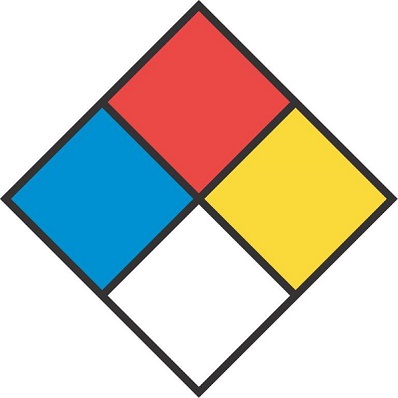
- NFPA 704 Standard System for the Identification of the Hazards of Materials for Emergency Response
- Ensure workers have safe egress and access to evacuate burning buildings
- Have fire extinguishers or fire suppression equipment available for firefighting measures
- Teach workers the importance of fire protection and prevention